
Learn how to integrate Google Indexing API with Blogger to achieve instant indexing, faster crawling, and improved visibility in Google Search.
In today’s digital landscape, timely content discovery can make or break a blogger’s reach. The Google Indexing API empowers website owners to notify Google instantly when new content is published or updated, drastically reducing the time it takes for pages to appear in search results.
This is particularly beneficial for time-sensitive content such as news articles, product launches, or event announcements, where immediate visibility is key.
Blogger, Google’s long-standing blogging platform, has seen renewed relevance thanks to seamless integration possibilities with the Indexing API.
While Blogger doesn’t natively support the API out of the box, developers can leverage automated scripts—often using Google Apps Script—to trigger indexing requests whenever a new post is published. This workaround ensures that blog content is submitted directly to Google’s index queue without waiting for the next crawl cycle.
Using the Indexing API requires proper authentication via OAuth 2.0 and adherence to usage limits set by Google to prevent abuse. Bloggers must verify their site ownership through Google Search Console and ensure their application follows best practices for API calls.
When implemented correctly, this integration enhances content freshness and improves overall SEO performance.
The ability to achieve near-instant indexing transforms how content creators approach publishing. Instead of relying solely on sitemaps and organic crawling, proactive indexing gives bloggers greater control over their content lifecycle.
As search engines continue to prioritize fresh, relevant information, tools like the Google Indexing API become essential for maintaining a competitive edge in online visibility.
What Is the Google Indexing API?
The Google Indexing API is a powerful tool designed for webmasters and developers who want greater control over how quickly their content appears in Google’s search results. By using this API, website owners can programmatically notify Google about newly published or updated pages, prompting faster discovery and indexing.
This is particularly beneficial for time-sensitive content such as news articles, event pages, or product launches, where visibility in search engines directly impacts traffic and engagement. Without relying solely on Googlebot’s organic crawl schedule, the Indexing API streamlines the process, helping ensure that fresh content is searchable within minutes rather than days.
To use the Google Indexing API, websites must be verified in Google Search Console, and requests must be authenticated using OAuth 2.0.
The API supports both URL updates and removals, allowing publishers to inform Google when content has changed or should be temporarily taken down from search results.
While it doesn’t guarantee immediate indexing or ranking improvements, it significantly increases the likelihood of prompt processing by Google’s systems. It’s important to note that misuse—such as sending excessive or invalid requests—can lead to rate limiting or suspension of API access.
The Indexing API is especially useful for large websites and dynamic platforms like job boards, real estate listings, and e-commerce sites, where new content is frequently added.
For example, a job posting site can instantly notify Google when a new position is listed, improving its chances of appearing in relevant searches right away. Developers can integrate the API into their content management workflows, automating notifications whenever content goes live. More technical details and implementation guidelines are available in the official Google Indexing API documentation.
Why Instant Indexing Matters for Bloggers
For bloggers, timely content visibility can significantly influence traffic and engagement, particularly when addressing trending topics or breaking news.
Traditional search engine crawling processes may take hours or even days to index new content, which can result in missed opportunities.
Instant indexing circumvents these delays by signaling search engines like Google to prioritize the discovery of newly published pages, ensuring they appear in search results within minutes rather than days.
This accelerated visibility directly enhances SEO performance by aligning content publication with peak user interest.
When a blog post ranks quickly for relevant queries, it gains greater organic reach and has a higher chance of being shared across social platforms.
According to Google’s documentation on crawling and indexing, prompt indexing is crucial for time-sensitive content, allowing publishers to capture audience attention at the most critical moments.
Moreover, instant indexing can improve user engagement metrics such as click-through rates and time on site, as visitors are more likely to interact with fresh, relevant content.
Bloggers who leverage tools like Google’s URL Inspection API or content delivery networks that support rapid indexing gain a competitive edge.
By reducing the gap between publishing and discoverability, they ensure their insights remain authoritative and accessible when audiences are actively searching.
Integrating the Indexing API with Blogger
While Blogger lacks built-in support for the Google Indexing API, developers can bridge this gap using custom solutions powered by Google Apps Script.
This approach leverages the same ecosystem that hosts Blogger, enabling seamless integration without requiring external servers.
By writing a script that runs within the Google Cloud environment, users can programmatically notify Google about new or updated content, improving crawl efficiency and reducing indexing delays.
Authentication is handled securely through OAuth 2.0 or Google Service Accounts, ensuring that only authorized requests are sent to the Indexing API.
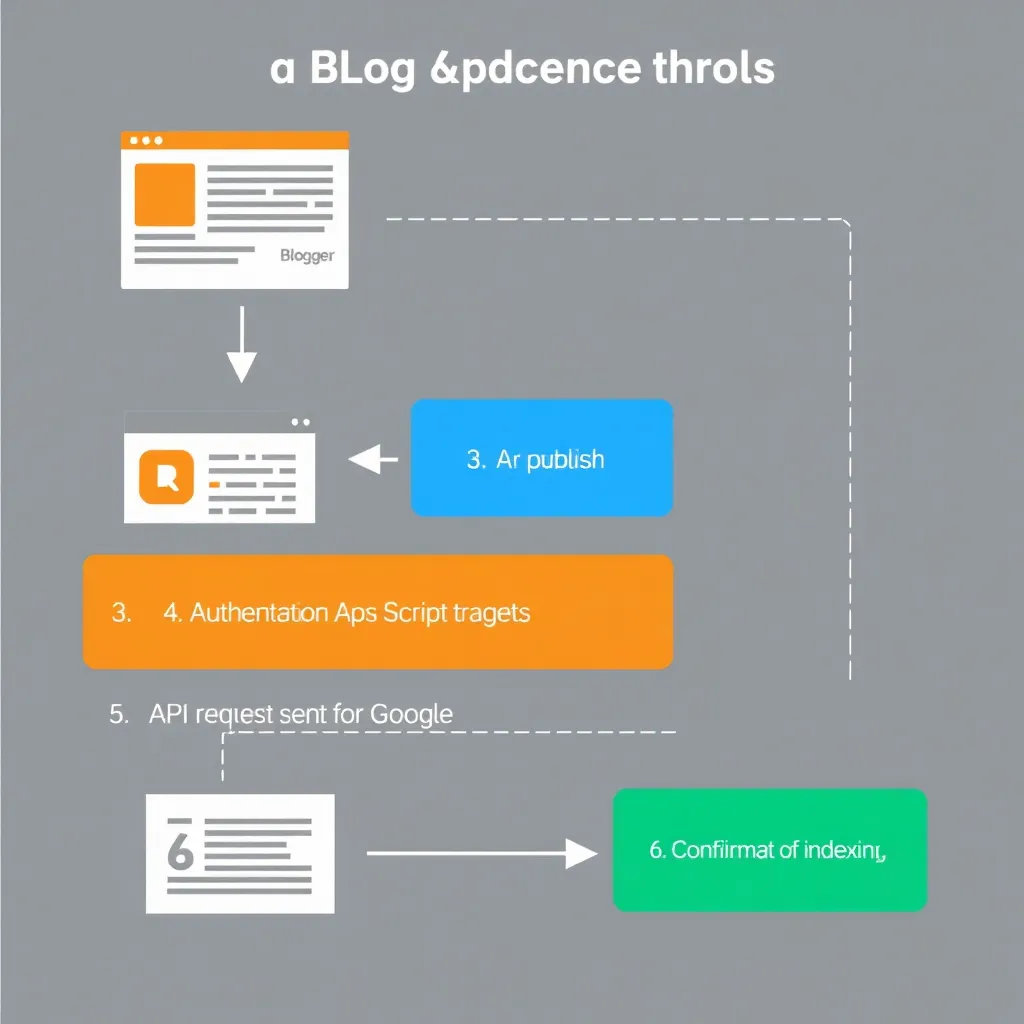
Developers can configure triggers within Google Apps Script to fire automatically when a blog post is published or edited. These triggers activate the script, which then formats and sends an HTTP POST request to the Indexing API endpoint, signaling Google to index the specified URL.
This automation significantly enhances content visibility, especially for time-sensitive posts that benefit from rapid indexing. Since the entire workflow runs on Google’s infrastructure, it’s both reliable and scalable for blogs with frequent updates.
Detailed documentation and code samples are available in the Google Apps Script guide, helping developers implement the solution with minimal overhead.
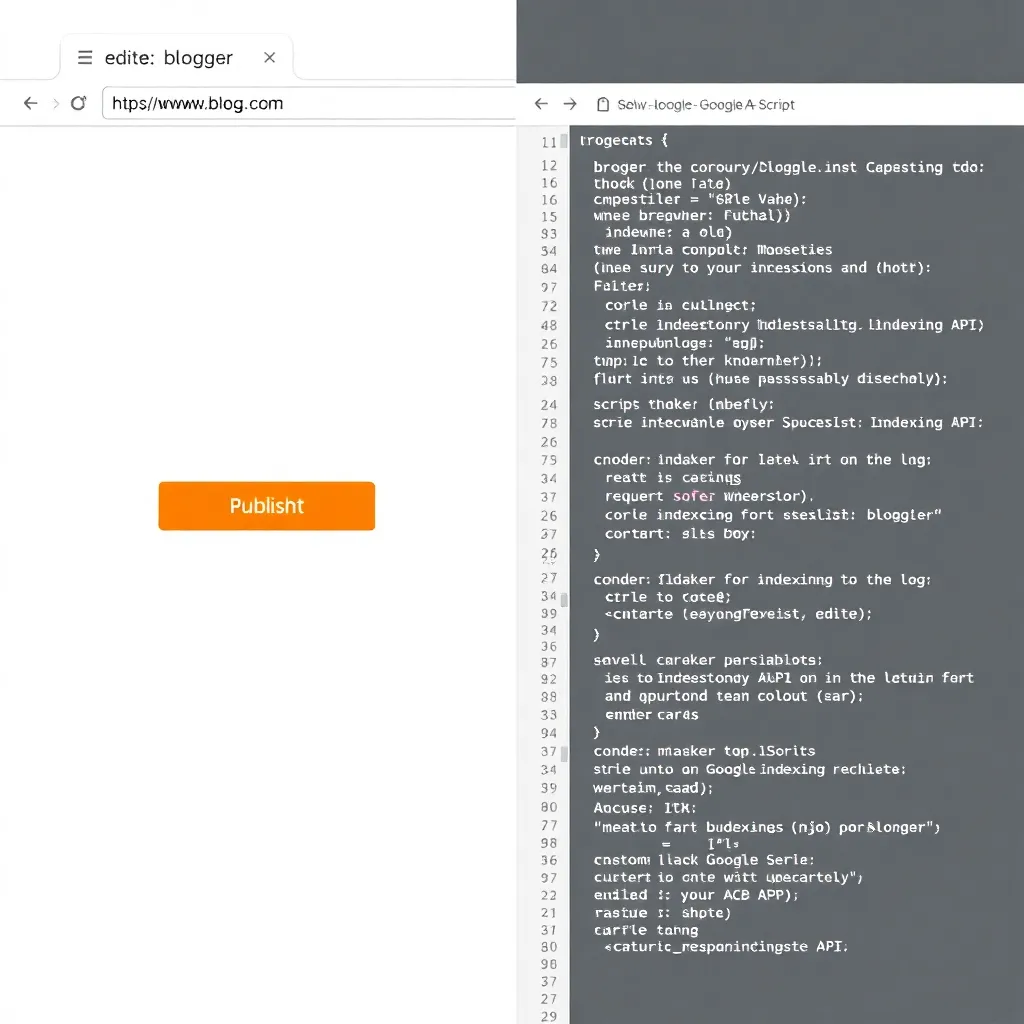
Step-by-Step Implementation Guide
To begin implementing the Indexing API for your Blogger site, start by enabling the API in the Google Cloud Console. Navigate to your project, search for the “Indexing API” in the APIs & Services Library, and enable it. Next, create credentials—specifically an OAuth 2.0 Client ID—since the Indexing API requires authorized requests.
You’ll also need to verify ownership of your Blogger domain in Google Search Console, ensuring that your site is eligible to send indexing requests.
Once setup is complete, leverage Google Apps Script to automate the indexing process. Write a custom function that triggers whenever a new blog post is published.
This can be achieved by using Blogger’s built-in triggers or by integrating with the Blogger API to detect new entries.
Within the script, use the URL Notification API endpoint to send a POST request containing the blog post’s URL, requesting immediate indexing. Be sure to include proper authorization headers using the OAuth2 library for Apps Script to authenticate your requests.
Reliability hinges on robust error handling and adherence to Google’s quota limits. The Indexing API allows a limited number of high-priority requests per day (currently 200), so implement logic to prioritize important content and avoid exhausting your quota. Use try-catch blocks to handle transient errors and employ exponential backoff strategies when encountering rate limits or server errors.
Logging each attempt through Apps Script’s Logger or Stackdriver helps monitor performance and troubleshoot issues.
For detailed implementation guidance, refer to Google’s official Indexing API documentation, which outlines authentication steps, request formats, and best practices. By combining Google Apps Script automation with careful quota management, you can ensure your Blogger content is efficiently indexed, improving visibility in search results shortly after publication.
Best Practices and Limitations
The Indexing API is a powerful tool for webmasters aiming to expedite the visibility of critical content in Google’s search results. However, it’s important to recognize its usage constraints: Google currently allows up to 200 URL updates and 20 deletions per day per domain. These limits emphasize the need for strategic use, ensuring that only the most impactful pages—such as breaking news articles or time-sensitive announcements—are prioritized for indexing.
For more details on current quotas and best practices, refer to Google’s official documentation.
Given these limitations, it’s crucial to avoid submitting low-value or redundant URLs through the API. Sending excessive requests for thin content, duplicate pages, or outdated material can negatively influence how Google views your site’s trustworthiness.
The API is designed for high-priority updates, not routine crawling signals, and misuse may lead to throttling or reduced responsiveness from Google’s systems.
To maintain credibility and maximize effectiveness, integrate the Indexing API into a broader SEO strategy that includes proper content governance and monitoring. Prioritize fresh, original, and user-focused content that aligns with your site’s core mission.
Tools like Google Search Console can help identify which pages are most valuable and warrant API submission.
Ultimately, responsible use of the Indexing API enhances your site’s ability to stay current in search results without overburdening Google’s systems.
By focusing on quality over quantity and adhering to established guidelines, publishers can ensure long-term reliability and performance within Google’s ecosystem.
Conclusion: Embracing Real-Time Visibility
Integrating the Google Indexing API with Blogger allows content creators to notify Google instantly when new posts are published or updated, significantly reducing the time it takes for content to appear in search results. Traditionally, search engines rely on crawling websites at intervals, which can delay indexing by hours or even days.
By leveraging the Google Indexing API, bloggers automate this process and ensure their latest content is discovered as soon as it goes live.
This near-instant indexing capability offers a clear advantage in fast-moving niches where timeliness impacts visibility and engagement.
Whether covering breaking news, trending topics, or time-sensitive promotions, bloggers can maintain relevance and improve their SEO performance by aligning content publication with real-time search engine updates. The result is faster traffic acquisition and improved click-through rates from users searching for up-to-date information.
From a technical standpoint, the integration involves authenticating Blogger with Google Cloud, enabling the Indexing API, and using scripts—often via Google Apps Script—to send publish or update notifications programmatically.
While it requires some initial setup, the long-term benefits include greater control over content visibility and reduced dependency on organic crawl cycles.
More publishers are adopting such automation tools to stay competitive in an increasingly dynamic digital landscape.
As search engines continue to support direct publisher communication, features like the Indexing API are likely to become standard in content management workflows.
For serious bloggers and professional publishers using platforms like Blogger, embracing these tools is no longer optional but essential for maximizing reach and maintaining authority in their respective domains.
