

Discover how free Web 2.0 blogging sites can boost SEO in 2026 by generating backlinks, improving domain authority, and enhancing search engine rankings.
Free Web 2.0 blogging platforms like WordPress.com, Blogger, and Tumblr offer accessible entry points for individuals and small businesses aiming to strengthen their digital presence.
These platforms support dynamic, user-generated content that search engines favor, helping pages rank more effectively over time. By consistently publishing relevant articles, users can signal authority and freshness—key factors in Google’s ranking algorithms.
One of the primary SEO advantages of Web 2.0 blogs is their ability to generate high-quality backlinks. When content resonates with readers, it’s more likely to be shared across social networks or referenced by other websites, increasing inbound link equity.
Even internal linking between posts on the same platform can improve site structure and indexability, making it easier for search engine crawlers to navigate and rank content.
Additionally, these platforms often come with built-in SEO tools and responsive designs, ensuring mobile compatibility—a critical component of modern search rankings. While they may not offer the full customization of self-hosted sites, the ease of use and domain authority associated with established platforms like WordPress.com can give new content a competitive edge in search results.
For marketers and content creators, leveraging Web 2.0 blogs strategically can complement broader SEO campaigns. When used alongside original content and keyword research, these platforms become valuable assets for building online visibility and driving organic traffic over time.
More information on best practices for SEO can be found through trusted sources like Google’s Search Essentials.
What Are Web 2.0 Blogging Sites? | Free Web 2.0 Blogging Explained
Web 2.0 marked a transformative shift from the static web pages of the early internet to a more dynamic and participatory online experience.
Central to this evolution are free blogging platforms such as Blogger and WordPress.com, which empower individuals to create and share content without needing advanced coding skills.
These tools democratize publishing, enabling anyone with an internet connection to express ideas, showcase creativity, and reach global audiences effortlessly.
Unlike traditional websites that primarily deliver one-way information, Web 2.0 blogs foster two-way communication through features like comment sections, social media integration, and real-time updates.
This interactivity not only enhances user engagement but also contributes to community building around shared interests. Readers can respond directly to posts, share content across networks like X (formerly Twitter) or Facebook, and even co-create content through collaborative platforms.
Search engines favor these interactive sites because frequent updates and user-generated content increase relevance and freshness. The structure of modern blogs—complete with tags, categories, and RSS feeds—also improves indexability, helping content rank higher in search results.
As a result, Web 2.0 blogs have become essential tools for digital marketing, personal branding, and online visibility.
Moreover, the ease of use and accessibility of free blogging platforms continue to drive innovation in digital storytelling.
From photo journals on Tumblr to multimedia-rich posts on Medium, the variety of formats supports diverse voices and narratives.
This ongoing evolution reflects the core principle of Web 2.0: turning users from passive consumers into active contributors of the web’s ever-expanding knowledge ecosystem.

User-Generated Content in Free Web 2.0 Blogging: Boost Freshness & Relevance
Search engines like Google prioritize websites that demonstrate consistent activity and provide up-to-date, relevant information to users. One of the most effective ways to maintain this level of engagement is through user-generated content on Web 2.0 platforms, such as blogs and community forums.
When users contribute posts regularly, it signals to search algorithms that the site is dynamic and offers ongoing value, which can positively influence rankings in search results.
This constant influx of new material helps avoid stagnation, a factor that can diminish a site’s visibility over time.
Each piece of user-generated content—whether it’s a how-to guide, product review, or industry insight—adds unique textual data that expands the site’s keyword diversity. This variety allows the website to rank for a broader range of search queries, increasing organic reach.
Moreover, when multiple contributors write about related topics from different perspectives, it strengthens the site’s topical authority, a key component in Google’s assessment of expertise and trustworthiness.
According to Google’s content guidelines, high-quality, original content created for users rather than algorithms tends to perform better in search rankings.
Web 2.0 blogs inherently support collaborative input, making them ideal for fostering communities where content creation is decentralized yet cohesive. This model not only reduces the burden on individual site owners to produce all content themselves but also introduces authentic voices and real-world experiences that resonate with readers. Search engines recognize the natural language and long-tail keyword usage common in user-written posts, further enhancing SEO performance.
Platforms like Medium or WordPress.com exemplify how user-driven content can build domain authority over time when properly moderated and structured.
Ultimately, the synergy between frequent updates and diverse, original content positions Web 2.0 blogs as powerful tools for organic discovery. As long as contributions remain relevant and align with user intent, they serve both audience engagement and technical SEO goals.
For those looking to understand the impact of content freshness, resources like Moz’s guide to SEO content emphasize the importance of regular publishing schedules and audience-focused writing in achieving sustainable search visibility.
When multiple users contribute content to a single platform, the cumulative volume of articles, posts, and media significantly boosts the site’s overall visibility in search engine results.
This collaborative approach leads to a diverse range of topics and writing styles, increasing the likelihood of capturing long-tail keyword traffic—those highly specific search queries that often convert better due to lower competition and higher user intent.
Search engines like Google favor websites with fresh, consistent, and varied content, which multi-author platforms naturally provide.
Moreover, each contributor may bring their own audience and area of expertise, further enriching the platform’s topical authority. This collective knowledge enhances the site’s credibility on niche subjects, making it more likely to rank for specialized queries.
For example, a blog covering digital marketing might feature contributors specializing in SEO, content strategy, and social media, allowing the site to organically cover subtopics in depth.
According to Google’s guidelines on helpful content, such depth and expertise are key factors in ranking well.
The increased publishing frequency from multiple authors also improves crawl rates by search engine bots, ensuring new content is indexed quickly.
Over time, this sustained output builds domain authority, which benefits all pages on the site—not just individual posts. Platforms like Medium and HubSpot have demonstrated how user-generated or team-driven content strategies can dominate organic search results across countless niche queries.
Ultimately, leveraging a community of contributors creates a self-reinforcing cycle: more content attracts more traffic, which signals relevance to search engines, leading to higher rankings and even broader organic reach.
When managed with editorial consistency and quality control, multi-user platforms become powerful engines for sustainable SEO growth. For best practices on content creation and SEO, resources like Moz’s Beginner’s Guide to SEO offer valuable insights into optimizing collaborative content efforts.
Backlinks: Building Authority from Within and Beyond
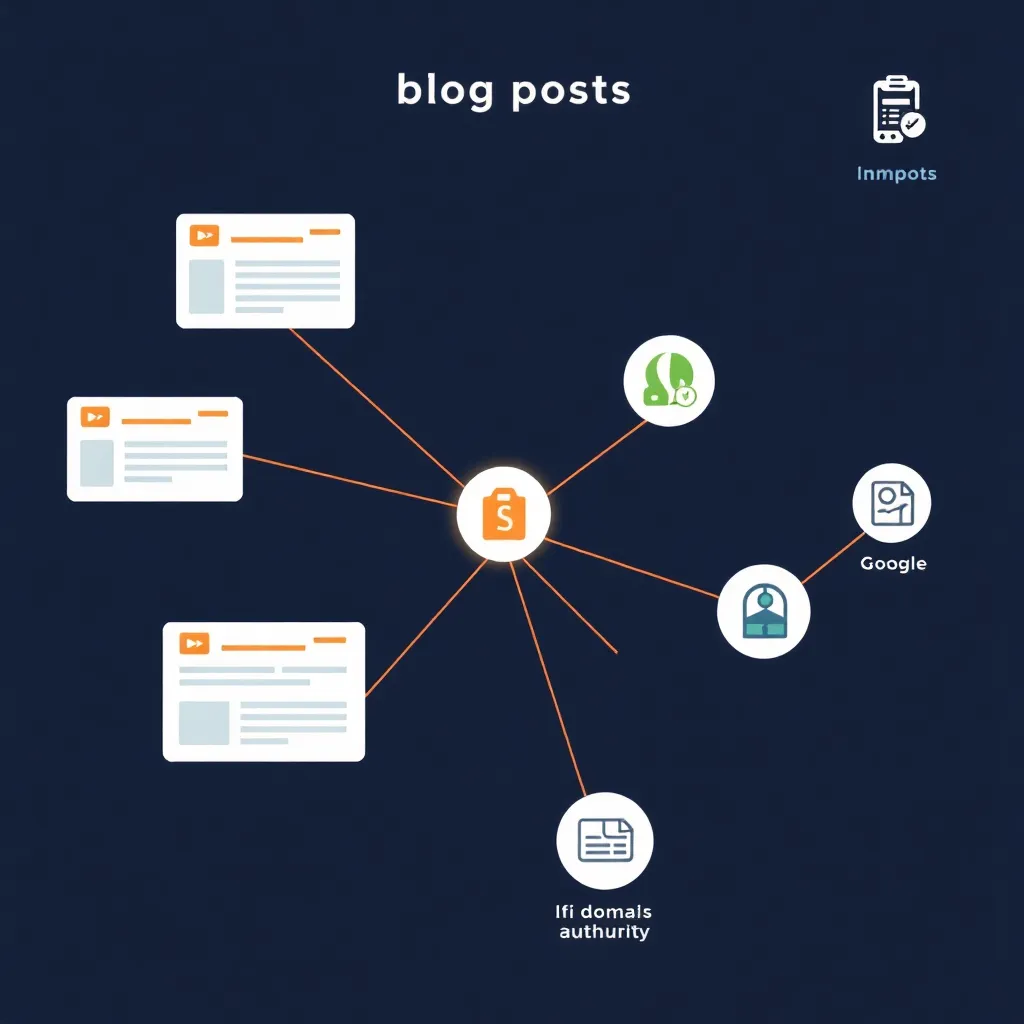
One of the most significant SEO benefits of Web 2.0 blogs is their ability to generate backlinks, which play a crucial role in improving search engine rankings.
When high-quality content is published on these platforms, other users and websites are more likely to reference it, creating natural inbound links.
These backlinks act as endorsements, signaling to search engines like Google that the content is valuable and trustworthy. According to Google’s Search Essentials, backlinks remain a core component of organic ranking algorithms.
External websites linking to Web 2.0 blog posts contribute to the transfer of domain authority, enhancing the linked content’s visibility and credibility. This effect is amplified when authoritative sites are involved, as links from domains with strong reputations carry more weight.
Tools like Ahrefs and Moz demonstrate how backlink profiles directly influence a page’s ability to rank competitively in search results.
In addition to external backlinks, internal linking within Web 2.0 platforms strengthens overall site architecture. By interconnecting related blog posts, users and search engine crawlers can navigate the content more efficiently.
This improved crawlability ensures that search engines index pages faster and understand the contextual relationships between topics.
Effective internal linking also distributes page authority across the site, boosting the performance of less-established pages.
As noted by Search Engine Land, a well-structured internal link network supports both user experience and SEO, making it a best practice for content-driven websites aiming to maximize organic reach.
Harnessing Social Signals and Indexation Speed
Web 2.0 platforms such as Blogger, WordPress.com, and Medium are well-established online ecosystems that benefit from strong domain authority, making them highly favorable in the eyes of search engines like Google.
Because these domains have been consistently indexed for years, content published on them is typically crawled and indexed much faster than on newly launched websites, which often face prolonged discovery periods.
This accelerated indexing allows users to gain visibility in search engine results pages (SERPs) almost immediately after publishing, providing a significant advantage for time-sensitive or topical content.
Beyond rapid indexing, many Web 2.0 platforms come equipped with built-in social sharing tools that make it easy for readers to distribute content across networks like Twitter, Facebook, and LinkedIn. This ease of sharing increases the likelihood of generating social signals—likes, shares, comments—which, while not direct ranking factors, contribute to increased traffic and content exposure.
According to industry insights from Moz, social engagement can indirectly influence SEO by boosting user interaction metrics and encouraging natural backlink acquisition.
The combination of high domain trust and integrated virality tools makes Web 2.0 platforms an effective launchpad for content creators aiming to build online visibility quickly. Since these platforms handle technical SEO aspects like site speed, mobile responsiveness, and secure hosting, users can focus more on content quality rather than backend optimization.
As noted by Search Engine Land, leveraging established platforms can be a strategic move in competitive niches where gaining organic traction on a new domain might otherwise take months.

Conclusion: A Strategic Tool for Organic Growth
Free Web 2.0 blogging platforms such as Blogger, WordPress.com, and Medium empower users to publish content with minimal technical barriers, making them ideal for beginners and seasoned marketers alike.
These platforms are built on search-engine-friendly infrastructures, often featuring fast indexing and strong domain authority, which can significantly enhance the visibility of published content.
By consistently creating high-quality, keyword-optimized posts, users increase their chances of ranking well in search engine results pages (SERPs) without the overhead costs of hosting or development.
One of the most powerful SEO advantages of Web 2.0 sites is their ability to generate natural backlink profiles. When content resonates with readers, it’s more likely to be shared across social media or referenced by other bloggers, creating organic inbound links.
Even internal linking between posts on the same Web 2.0 domain strengthens site architecture and improves crawlability. Over time, this network of interlinked, relevant content signals topical authority to search engines like Google, further boosting overall domain relevance for specific niches.
Beyond direct SEO benefits, these platforms foster community engagement through comments, likes, and shares—signals that indirectly influence search rankings.
Active user interaction increases dwell time and reduces bounce rates, metrics that search algorithms consider when evaluating page quality.
Additionally, many Web 2.0 sites automatically include metadata, mobile-responsive themes, and social sharing buttons, all contributing to a better user experience and improved performance in organic search.
For individuals building a personal brand or small businesses testing new markets, free Web 2.0 blogs offer a low-risk environment to experiment with content strategies and audience targeting.
When aligned with a clear editorial calendar and SEO best practices—such as using descriptive URLs, optimizing images, and incorporating semantic keywords—these platforms become valuable components of a broader digital marketing ecosystem.
With persistence and strategic planning, they can lay the foundation for long-term online growth and authority.
