
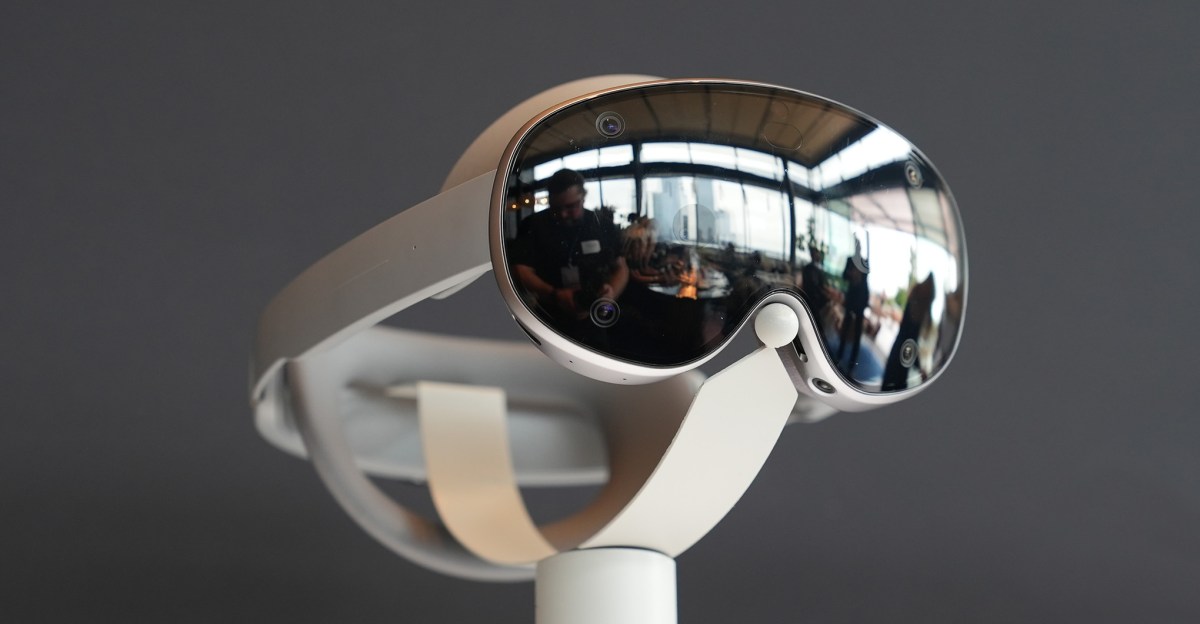
Android XR is getting a new feature that turns 2D apps, websites, images, and videos into “3D experiences.” The feature, which Google calls “auto-spatialization,” was initially announced last year, and it’s launching on Tuesday as an experimental feature for Samsung Galaxy XR headsets.
Here’s a video from Google that gives you an idea about how auto-spatialization might look in practice:
There are a few caveats to auto-spatialization: it supports content up to 1080p or lower at 30fps, it “uses slightly more battery power,” and it only works “on the app window currently in focus,” Google says. But if you have a Galaxy XR device, it could be an interesting new way to get a more immersive view of things you’re looking at in your headset.
In addition to auto-spatialization, Google is announcing a few other Android XR updates coming to the Galaxy XR. You can now pin apps to walls. You can now see your real hands when “interacting with virtual content in home space mode.” When you put on a device after taking it off, you’ll now see your previous apps you were using “so you can jump right back in.” And there are over 100 apps on Google Play on XR, which Google says is more than double from when Galaxy XR first launched in October.
