
A lot of us have dozens of smart home devices around our houses. But if they’ve been more of a source of stress rather than convenience, you’re not alone. A bulb that worked fine yesterday might show up as unresponsive the next day, plugs sometimes stop responding mid-automation, and sometimes it takes ages for a brightness command to take effect.
I’ve restarted devices, uninstalled and reinstalled apps, factory reset bulbs, blamed myself for buying lesser-known or cheaper brands, and more. Turns out, the source of the problem wasn’t my smart home devices; it was my network. And all it took to fix these issues was a simple router setting—one I didn’t even know was active.
This helpful setting is breaking your smart home
Band steering causes more problems than it solves
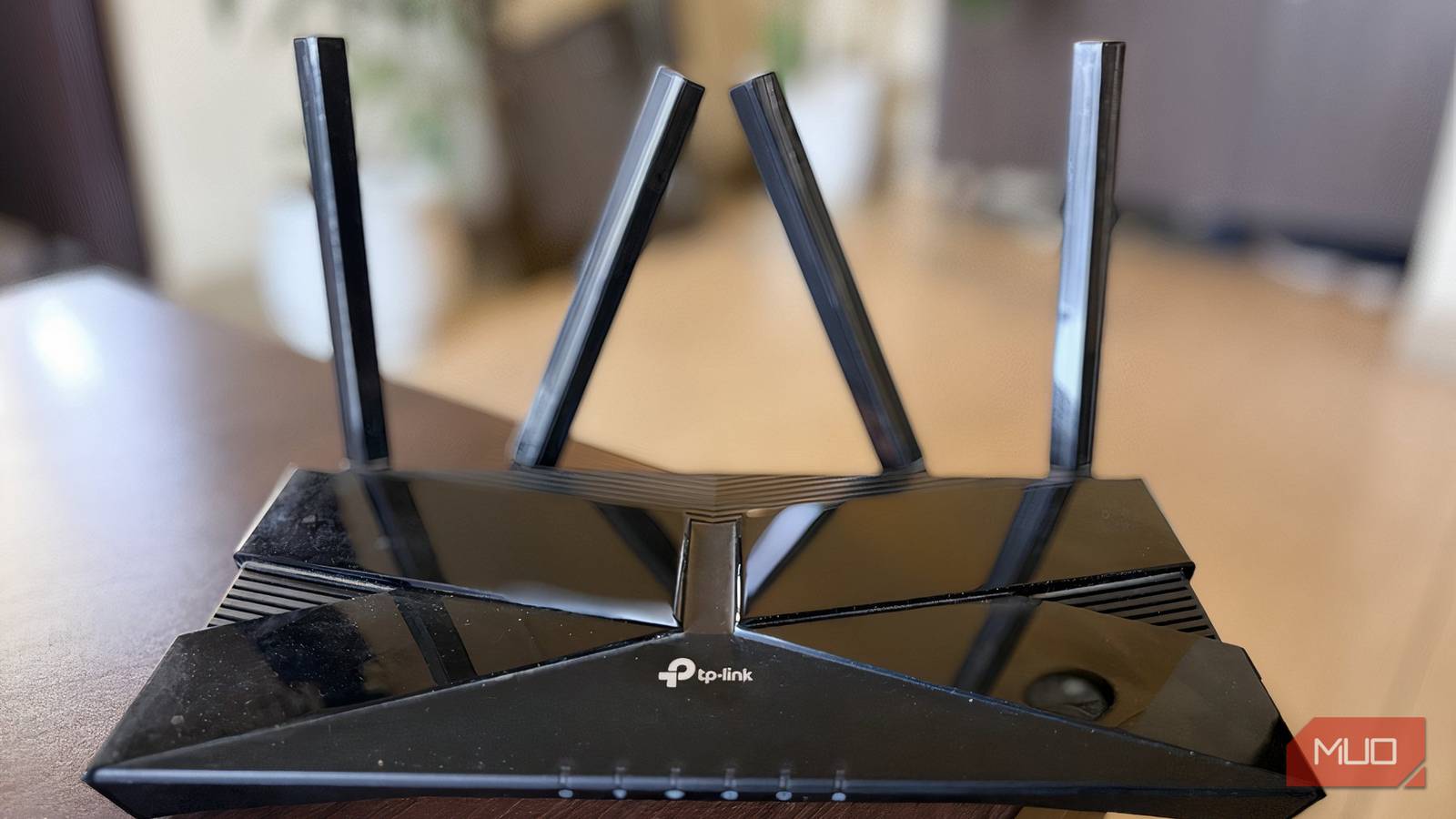
Most modern routers, especially dual-band ones, come with a feature called band steering. It operates on a simple idea that your router broadcasts a single network name or SSID, and it automatically decides whether to put each connected device on the faster 5 or 6 GHz band or the longer range 2.4 GHz band based on signal strength. On paper, it sounds great. In practice, it’s often a disaster. Band steering is also likely the reason your TV keeps buffering, lights keep disconnecting, and a ton of other unexplained behavior on your network.
An overwhelming majority of smart home devices only support the 2.4 GHz band, and for good reason. It has a longer range, passes through walls better, and uses cheaper chipsets, which helps keep the manufacturing costs down. With band steering active, devices closer to your router might automatically get pushed to the 5 GHz band, which it simply can’t connect to, and your router gets stuck in a loop where it keeps trying to move the device. This creates a series of rejected probes and delayed responses, making the device itself go unresponsive.
Even if your smart home device supports both bands, band steering can still cause instability, as the Wi-Fi channel your router chooses is often the worst one. The router and the device have to agree on which band to use, and that handoff often results in a momentary disconnect. On devices like your laptop and phone, that’s a minor inconvenience. On smart home devices that need to respond immediately or work on a preset automation, that small drop is enough to show it as offline in whatever app you’re using to manage them.
The fix takes less than a minute
One simple tweak that gets your devices reconnecting

Instead of relying on band steering to automatically assign devices, the fix is as simple as splitting the 2.4 GHz band from the faster ones on your router and connecting your smart home devices manually to it. This also gives you separate network SSIDs for each band, meaning you can choose which devices get access to the faster bands with more bandwidth, and which ones use the 2.4 GHz band for better stability.
Segmenting your home network like this can also help make it more secure. Your personal devices, like phones, computers, tablets, consoles, and TVs, go to the 5 GHz band; everything else, including smart home and any guest devices, goes to 2.4 GHz, getting a stable band all to themselves.
Band steering is a workaround that creates more problems than it solves. It works well enough when all your devices are modern and well-behaved, but that’s rarely the case. IoT devices especially tend to cling to whatever band they first connected to, and if the router keeps pestering them to switch, the connection becomes unstable.
There’s another setting worth changing
A second adjustment that improves stability even more

Another, slightly more advanced fix for unreliable smart home devices is to check how your router handles IP assignment. Most routers dynamically assign IP addresses to every device on your network. This is totally normal until you have multiple devices constantly going offline and coming back with a different IP address than before. When a smart home hub or a key device’s IP address changes, any apps or automations tracking it can lose it entirely. This results in the device coming up as offline even though it’s physically powered and connected to your network.
This isn’t usually a problem, as routers reserve IP addresses for up to 24 hours or longer for devices that reconnect to a network. However, it’s best to have DHCP reservations or static IP assignments for critical devices such as smart home hubs, IP cameras, or anything that acts as a coordinator. You don’t need to change the IP address on the device itself either. You’re simply telling the router to assign a specific IP address to a device based on its MAC address. It only takes a couple of minutes for each device, and prevents an entire class of phantom disconnects that can be maddening to diagnose.
Use both—and the issues disappear
These tweaks work better together than alone
The combination of splitting SSIDs and handing out reserved IPs essentially gives you smart home devices their own, dedicated band and a permanent address on your network. Your IoT devices are no longer getting moved around between bands or confused by changing IP addresses. They connect to their band, get their IP addresses, and stay there. That consistent connection is what smart home devices need to function in a stable and reliable manner.

I Use These Tricks to Get the Fastest Internet From My Router
This is how I get faster speeds without upgrading my internet plan.
Remember, these devices don’t need breakneck bandwidth or internet speeds. All they need is a constant, reliable connection to the internet to function as expected. Once you’ve fixed that, automations will run on time, devices start responding immediately, apps show all devices online, and it stays that way. I’ve haven’t touched a factory reset in weeks, and all the fix cost was a few minutes of my time. So if your smart home devices are driving you up the wall, check your router before blaming the gadgets themselves.
